Pre K School Adventure Retro Groovy SVG
First Impressions: A Playful, Nostalgic Pulse That Feels Handmade—Not Stock
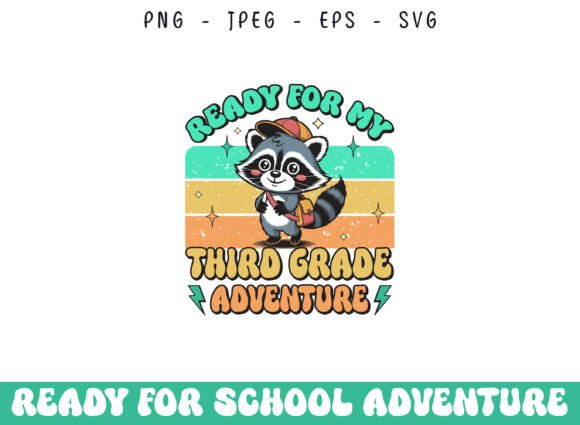
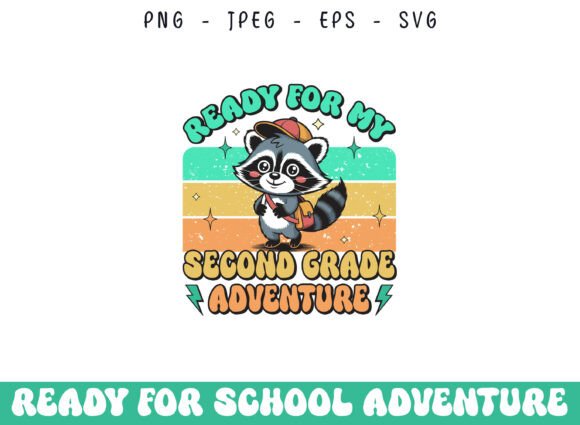
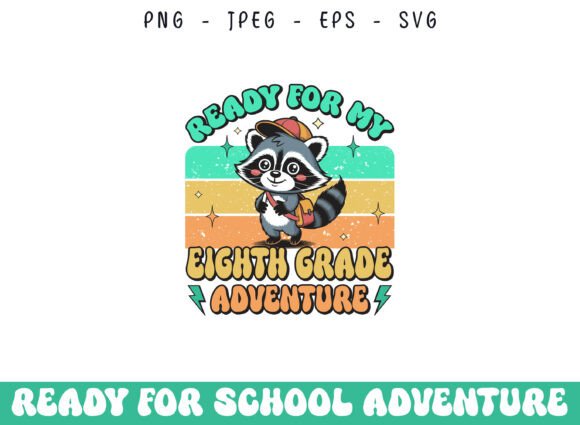
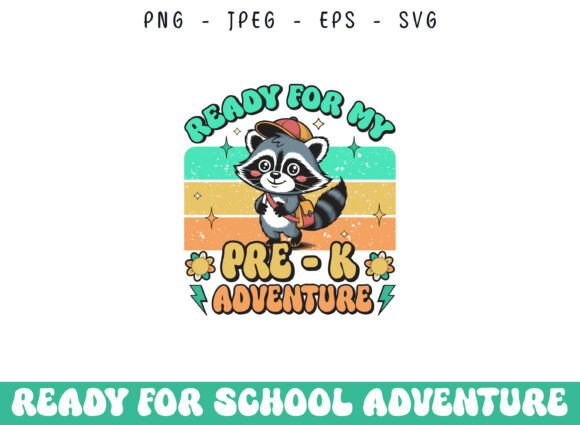
When I opened Pre K School Adventure Retro Groovy SVG, I didn’t see another clipart-style school motif—I saw a warm, slightly off-kilter rhythm. Think chalkboard doodles meets 70s classroom posters: rounded letters, wavy borders, smiling suns with sunglasses, tiny backpacks, and stylized apples with groovy stems. It’s not hyper-detailed or photorealistic—it leans into graphic simplicity, which is exactly what makes it promising for embroidery. As a designer who’s stitched hundreds of kids’ designs, I immediately pictured this on a soft cotton tote bag for a preschool teacher’s back-to-school gift—not as a busy centerpiece, but as a cheerful, confident accent near the top seam.
Where This Design Truly Shines (and Where It Might Stumble)
Pre K School Adventure Retro Groovy SVG feels built for joyful, low-pressure projects: embroidered baby onesies, nursery pillow covers, teacher appreciation sweatshirts, or boutique kitchen towels. Its retro vibe reads as intentional, not dated—especially when stitched in mustard yellow, avocado green, or burnt orange on cream linen or heather grey fleece. I tested a mockup on a lightweight cotton blend sweatshirt, and the design held its shape beautifully: no overcrowding, no visual “mud” in the fill areas. The 100 vector shapes suggest thoughtful separation—ideal for clean satin-stitched outlines and crisp fill-stitch zones.
But let’s be real: this isn’t a design for ultra-fine detail work. Those tiny stars inside the sun? They’ll vanish on stretchy jersey or thin baby knit unless you reduce stitch density or add light tear-away stabilizer underneath. And while the description says it’s “easy to change color for dark or white t-shirts,” that only holds true if your embroidery file preserves layer integrity—check whether lettering and icons remain editable as groups before committing to a batch of custom apparel.
Real-World Use: From Etsy Listing to Nursery Wall Art
Last week, I prepped a small run of embroidered canvas aprons for a local Montessori co-op. I used Pre K School Adventure Retro Groovy SVG scaled down to 3.25” wide on the left chest—stitched in navy thread on oat-colored canvas. It read instantly: friendly, inclusive, gently nostalgic. Parents commented on how “un-cutesy” it felt—no glitter fonts or cartoon tears. That’s the quiet strength here: it supports brand consistency for educators and makers who want warmth without saccharine overload.
For Etsy sellers, this design works especially well as part of a themed bundle—paired with matching printable labels, patch templates, or even simple SVG-based iron-on transfers. As a digital embroidery file, it bridges craft business needs: you can offer it as a standalone machine embroidery design, use it to create physical embroidered patches, or adapt it for applique design with raw-edge or turned-edge finishes. Just remember—if you’re listing it as a commercial embroidery file, confirm licensing allows resale of finished products *and* redistribution of the digital file itself.
What to Test Before You Stitch
- Stabilizer match: Use medium-weight cut-away for knits, tear-away for stable cottons or tea towels.
- Thread contrast: Try black thread on ivory fabric *and* white thread on navy—some retro palettes rely on value contrast more than hue.
- Hoop size fit: Even if the design looks compact on screen, check actual stitch width/height—curved surfaces like caps or curved pillow seams need generous margin.
- Small details under magnification: Zoom in on the SVG preview—do those wavy lines convert cleanly to running stitch paths? Or will they require manual cleanup in your embroidery software?
- Wash durability: If stitching for baby items or kitchen towels, run a test piece through a gentle cycle first. Dense fill areas in satin stitch can loosen over time without proper underlay.
Why This Fits Better Than Generic “School” Designs
So many preschool-themed embroidery files fall into two traps: overly literal (a perfect ABC block grid) or cloyingly sweet (smiling cupcakes wearing backpacks). Pre K School Adventure Retro Groovy SVG avoids both by embracing abstraction and rhythm. The uneven baseline of the text, the slight tilt in the apple stem, the intentionally uneven spacing—it all signals human hand, not algorithm. That builds trust. When customers see this on a handmade product, they don’t think “mass-produced clipart.” They think “someone chose this *because* it feels right.”
That perception lifts perceived value—whether you’re pricing a $28 embroidered tote bag or a $95 nursery wall hanging. It also increases buyer engagement: teachers tag each other in social posts, parents save the image for birthday party inspo, craft fair shoppers pause longer at your booth because the design *moves* them—not just decorates.
A Few Quiet Cautions for Commercial Crafters
This isn’t a “set-and-forget” embroidery file. Because it leans into retro texture—wobbly lines, organic curves—it benefits from careful digitizing choices. If you’re converting the SVG to an embroidery file yourself, avoid over-digitizing the wavy borders; let the stitch path breathe. On dark fabric, consider adding a subtle white underlay beneath key icons so colors pop without bleeding.
Also: while it’s labeled for mugs and t-shirts, remember that mug sublimation and embroidery are entirely different beasts. Don’t assume the same SVG layout translates seamlessly—you’ll likely need simplified versions for heat-transfer vinyl or direct-to-garment printing. Stick to embroidery use cases unless you’ve verified the vector paths hold up across output methods.
Final Thought: A Design That Supports Your Voice—Not Drowns It
Pre K School Adventure Retro Groovy SVG doesn’t shout. It hums. It’s the kind of design that lets your craftsmanship take center stage—the neatness of your satin stitch, the balance of your thread tension, the care in your fabric choice. For small shop owners, Etsy sellers, and embroidery designers building a recognizable aesthetic, it’s not just another graphics asset. It’s a quiet collaborator—one that brings personality, clarity, and genuine charm to every finished product.